
Introduction
In today’s property market, buyers are looking for more than just freshly painted walls, spacious rooms, or granite countertops.
They’re now prioritizing smart upgrades that increases home value, such as energy-efficient systems, smart lighting, and automated home controls.
These technologically advanced features not only make life more convenient but also appeal to modern buyers who want style, sustainability, and strong resale potential.
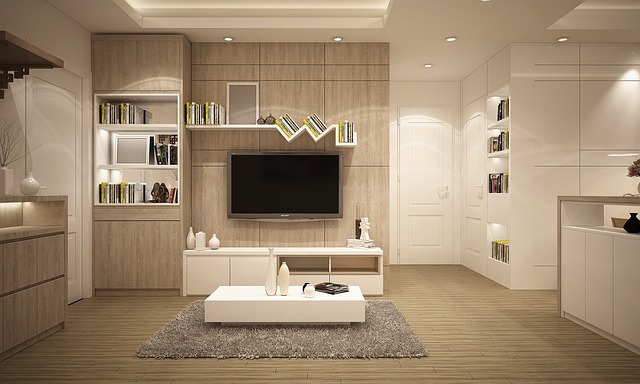
These upgrades are important since they will aid in increasing the value of a home instantly.
Samsung Newsroom states 79% of people in the UK who are planning to move that is buy or rent in the next five years want a smart home.
In the US, 71% prefer move-in-ready homes, and 57% say older homes feel more appealing if they include smart features. On the other hand, 65% are willing to pay more for smart-home technology packages.
70% of the people are seeking smart homes in Canada and 78% willing to pay extra for it to be integrated.
Why smart upgrades are important
From these examples, we see that buyers are more likely to purchase homes integrated with smart systems compared to older, traditional houses.
These upgrades not only enhance comfort, but also increase property value, allowing homes to sell at a higher price and bring more profit.
Smart upgrades are becoming increasingly important for homeowners looking to boost property value and appeal.
Let’s explore the reasons why smart upgrades matter and how they increase value to our homes.
- First, they offer long-term cost savings by reducing energy consumption, which lowers utility bills and benefits the environment through improved energy efficiency.
- Second, smart features enhance the overall appearance and functionality of a home, making it more attractive to tech-savvy buyers.
- Lastly, the growing demand for smart homes means properties with these upgrades often sell at higher prices. They also move faster on the market, giving homeowners a competitive edge.
Examples of smart upgrades that increases home value
smart appliances
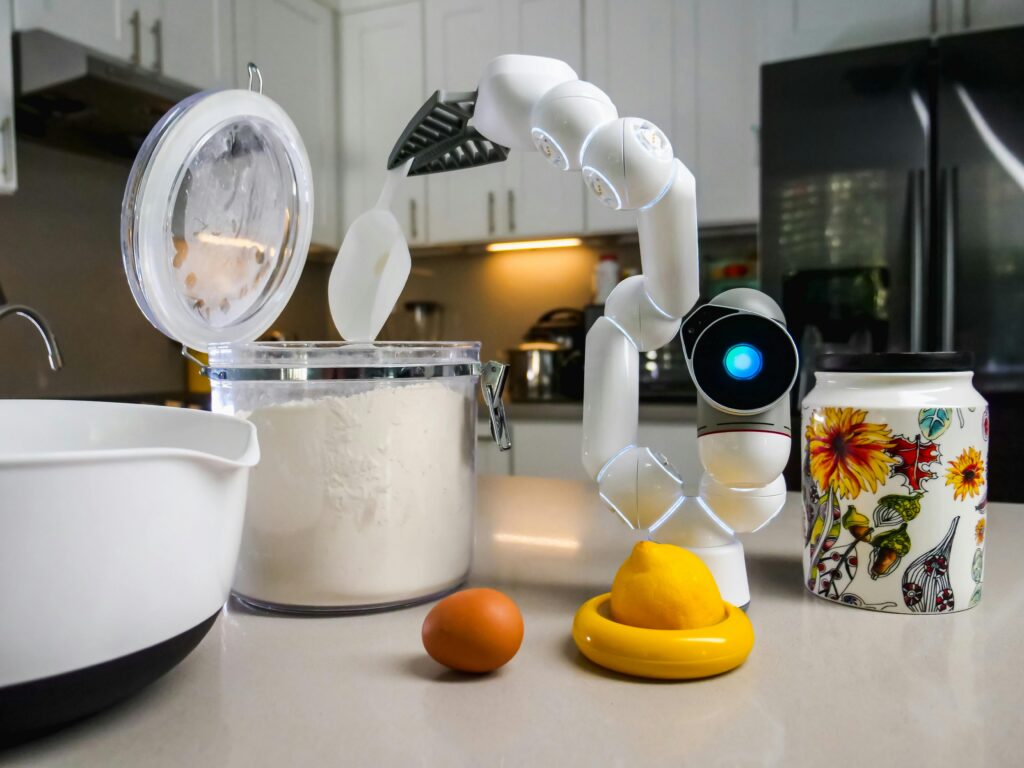
It is undeniable that nowadays people are looking for modern houses that have been equipped with smart appliances. Smart-home technology is becoming a key selling feature in places like the US and the UK.
In the UK, 86% of buyers say they would think about purchasing a smart house. 35% of the others say they are significantly more inclined to do so.
Up to 70% of US homebuyers expressly seek out smart-enabled residences, and over 80% are prepared to pay more for them. In addition to appealing modern customers, smart houses also sell more quickly and for greater prices.
Examples of smart appliances:
These smart appliances include:
- Smart security systems
- Smart lighting systems
- Smart climate control.
- Smart energy systems like irrigation systems
- Smart kitchen devices such as refrigerators, ovens, and dishwashers.
These smart appliances are among the smart upgrades that increases home value when integrated.
We will explore each category in detail below.
1. Smart Security systems
Security is a top priority for buyers. Buyers pay higher prices for homes that feature advanced security solutions. Therefore, in order to increase value, a property should provide adequate security for the buyer.
Some examples of smart security systems are cameras, smart locks and alarms.
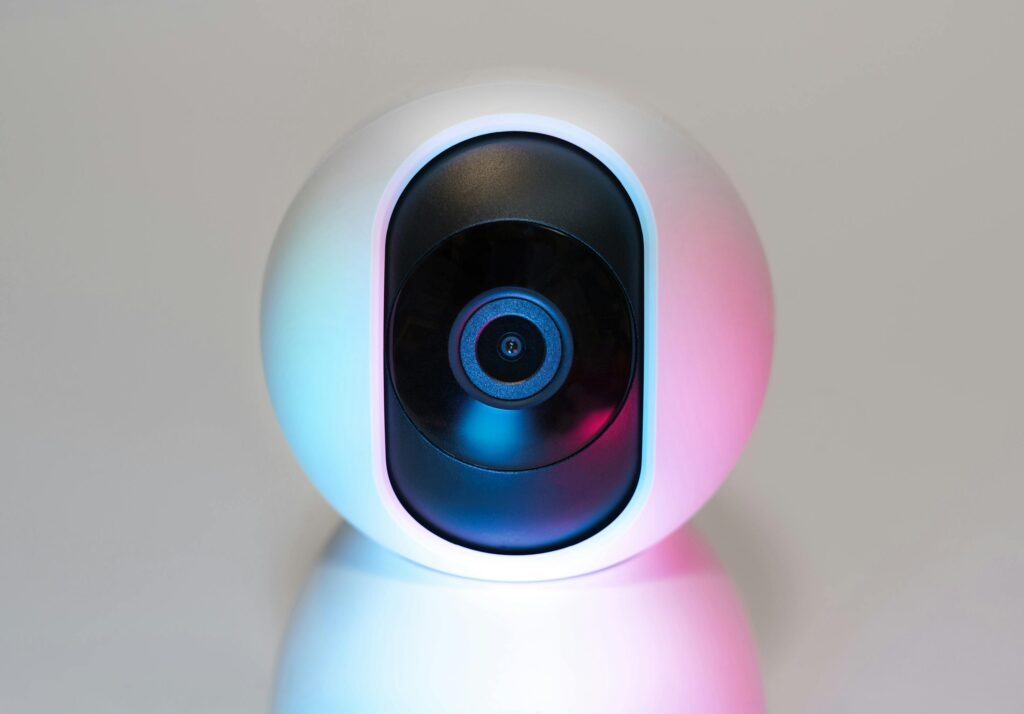
Some leading security systems such as ADT, Vivint, and Ring Alarm offer varying price points to suit different budgets. Because these systems enhance safety and peace of mind, they are highly desirable to buyers. They directly increase a property’s value.
2. Smart lighting systems
Smart lighting not only saves energy and reduces costs but also adds convenience and enhances security. They are among the smart upgrades that increases home value.
These systems can be controlled remotely or via voice commands and integrated with other smart home features.
Some examples of these smart lighting systems are like Wi-Fi-enabled lights, Bluetooth lights, and Zigbee systems.
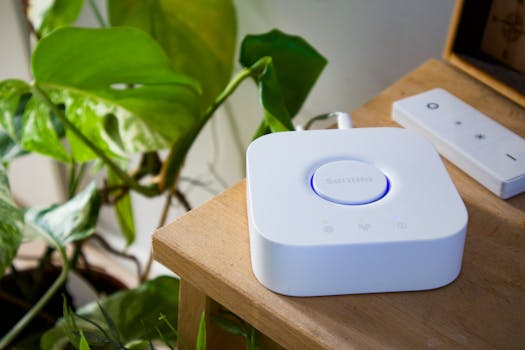
All these can be integrated in your home. There are various companies offering these services. One should decide on one that is affordable and offers the best possible service.
The added efficiency, functionality, and ambiance provided by smart lighting make homes more appealing and valuable to potential buyers.
3. Smart thermostats
The four main best smart thermostats are, Google Nest thermostats, Amazon Smart Thermostat, Ecobee Smart Thermostat and Honeywell Home T9 Smart Thermostat. These smart systems are also desired by buyers and will therefore increase a home’s value.
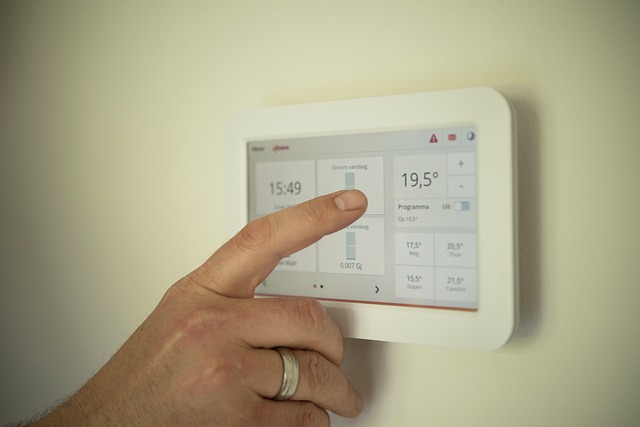
A smart thermostat is a Wi-Fi thermostat that controls a home’s heating, ventilation, and air conditioning in a house and may be utilized with home automation.
Although they include extra capabilities like Wi-Fi connectivity that address programming problems, they work similarly to programmable thermostats. They let the user adjust the temperature of their house on a schedule throughout the day.
They save energy, reduce bills and attract eco-conscious buyers thereby boosting a property’s value.
4. Energy monitoring systems
People who are eco conscious may find that energy monitoring devices are a useful tool. Energy monitors make it simple to check how much energy each device in your house is consuming.
This gives you important information about where and when energy waste may be occurring. They are therefore among smart upgrades that increases home value and should be considered.
Some of the best home energy monitoring systems include, Sense Home Energy Monitor, Efergy Engage/Elite Energy Monitors, Emporia Vue Energy Monitor, and Smart Plugs with Energy Monitoring among many others.
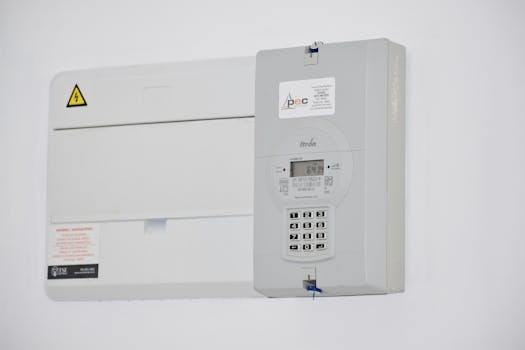
Because energy monitoring systems save utility bills, attract eco-aware purchasers, and improve smart home integration, they raise the value of a home.
They give homeowners the ability to monitor and adjust energy consumption in real time. This results in longer-term savings and increased comfort.
Additionally, these systems provide green building certifications, which can increase a property’s resale value. It can also appeal to purchasers who are placing a greater emphasis on sustainability and cutting-edge technology.
5. Smart irrigation systems
In addition to being easy to use and adjustable, smart irrigation systems increase a property’s value by preserving water, reducing utility costs, and encouraging better landscapes with less upkeep.
These attributes raise a home’s worth by drawing in eco-aware and convenience-seeking purchasers. To ensure effective water consumption, these systems automatically modify watering schedules based on plant requirements, soil moisture, and weather conditions.

Some of the smart irrigation systems that use IoT are, Orbit B-hyve, Rain Bird ST8, and Rachio 3 Smart Sprinkler Controller. Their efficiency and convenience appeal to both eco-conscious and tech-savvy buyers. These are some of the smart upgrades that increases home value.
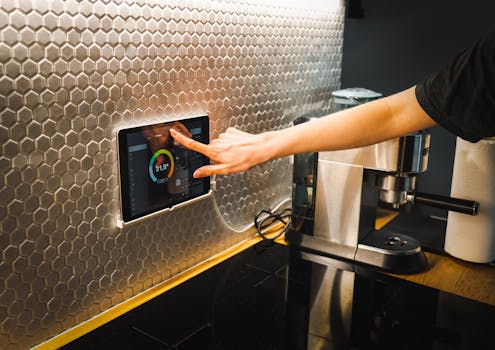
Here are more: Voice automated assistants, Smart Pool Systems, Smart Blinds & shades, Smart Garage Door Openers, Smart Entertainment & Home control and finally Smart air purifiers,
How to choose the right upgrades
The principle of increasing returns states that when you invest in renovations, upgrades, and other improvements, the property’s value increases, up to a certain point.
However, beyond that point, additional improvements may no longer add value and, in some cases, can even make it harder for buyers to purchase or for you to sell the property.
Match Upgrades to the Neighborhood
You might be asking yourself: How can I sell my property and still make a profit? Or Why should I invest in upgrades if they won’t always increase value? The key is to first understand the neighborhood where you’re selling.
For example, upgrading a modest home into a luxury property in a low-to-mid range neighborhood may not justify a much higher selling price compared to surrounding homes. Therefore, match the upgrades with the neighborhood standards.
Understand Your Target Market
You should also know your target market and buyer profile. For example, young professionals, retirees and families have different needs when it comes to technology and different knowledge.
Therefore, you should decide on which technology to upgrade according to your target market.
Focus on ROI and Avoid Over-Investing
Keep an eye on the ROI and avoid over investing. Make sure that the upgrade is costly and not too expensive that it leaves you in debt or at a loss when you sell the property at market price..
Prioritize In-Demand Smart Upgrades
Prioritize on demand upgrades like smart thermostats, security and energy monitoring.
You should also integrate the technology well into the home so it syncs smoothly. That is, they should be compatible to the ecosystem. You can also start small with basic technology and then move to more complex or advanced ones.
Mistakes to Avoid
There are a few things that one should put into consideration when trying to decide on the upgrade. For instance, the technology should not be too complicated for the future home owner since this will discourage them.
You should also install smart technology that are most relevant and in demand for your market.
The upgrades should also be compatible with each other to avoid clashes. It should also be flexible enough for the buyer in that they can upgrade it with ease in the future.
Homeowners should ensure the technology is affordable and matches the home’s needs to prevent losses.
The devices should also be secure enough for buyers to avoid being hacked or scammed. Make sure that the devices are set with strong passwords and always update their firmware.
Conclusion
Global Smart Home Market Growth
The Canadian smart home market is projected to grow from USD 4.18 billion in 2025 to USD 7.5 billion by 2030, driven by smart security, appliances, utility incentives, and energy-saving demands.
In the UK, the market is expected to reach £11.94 billion by 2026, growing at a CAGR of 16%. In the US, 35% of households (47 million homes) already use smart home tech, a significant rise since 2018.
The Asian market is set to reach USD 95.8 billion by 2028. Analysts project that Africa’s market will grow from USD 2.7 billion in 2025 to USD 4.1 billion by 2029.

Why Smart Home Upgrades Add Value
While smart home technology is increasingly desirable, maximizing your property’s value requires selecting features that truly enhance comfort, efficiency, and security.
Key upgrades such as:
- Smart security systems
- Smart lighting
- Smart thermostats
- Energy monitoring systems
- Smart irrigation can significantly boost market appeal.
When paired with other value-adding improvements such as energy-efficient windows, modern insulation, high-quality flooring, updated kitchen or bathroom fittings, these smart upgrades create a well-rounded and future-ready home.
The Bottom Line: Invest Smartly
Smart home upgrades are not only about technology, they are about comfort, value and future proofing your home. Just invest smartly, choose wisely and watch your property’s value increase. So, is it worth it? Absolutely, the right smart home upgrades can make your property more appealing, efficient, and valuable.
If you are looking to increase your home’s value from 2025, or planning an upgrade, investing in a combination of smart technology and essential home improvements will ensure your property stands out to modern buyers and commands a higher price.
Leave a Comment