

Being a first time home buyer is one of life’s biggest milestones. It is exciting, emotional, and at times, overwhelming. Between figuring out your budget, comprehending hidden costs, and navigating mortgages, the process can feel like a maze.
If you’ve been asking yourself, “What do I need to know before buying my first home?” This guide will walk you step-by-step from just having a dream to having keys.
1. Know your budget before begin
Before looking at a listing, take a hard look at your finances. This should help you know your position to make a purchase.
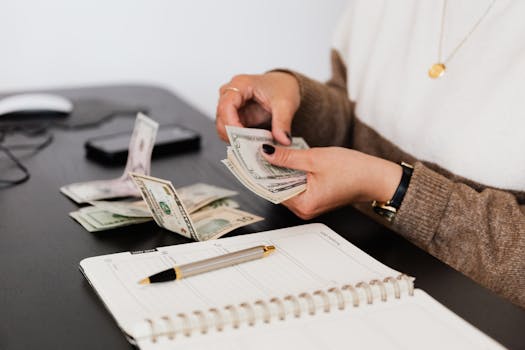
This can be done by:
- Checking your income, savings, and debts to determine what you can realistically afford.
- Factor in hidden costs like closing fees, insurance, taxes, and maintenance.
- Get pre-approved for a mortgage, this will not only guide your search but also make you more attractive to sellers.
💡: Many experts recommend the 28/36 rule. Spend no more than 28% of your gross monthly income on housing and keep total debt under 36-44%. Make sure you plan where you can afford.
2. Understand all the cost of home ownership
If you cannot afford your dream house now, you can start saving for down payment of the house and get in future.
Home ownership includes different expenses. They are fixed and variable. Fixed expenses include:
- Mortgage payments
- Property taxes and Insurance
- Legal or conveyancing fees
While variable includes:
- Utilities
- Maintenance and Repair
- Unexpected expenses
💡: Transitioning from renting to buying can also involve some additional costs such as moving, new furniture, and setup costs which one should have in mind.
In general, common costs when it comes to purchasing a house are:
- Mortgage payments
- Taxes and Insurance
- Solicitor or Conveyancing cost
- Utilities
- Maintenance and repair costs
- Closing Fees
3. Choosing the right financial option
After deciding on what the type of house you want and the budget you will set aside for this, then move to financing and mortgaging. Here, you will can try and get funding and approval for a mortgage.
Some ways this can be done is through finding help from lenders. You can get a government backed home loan or a mortgage assistance loan.

Here you need to research on the loan types, the best that suits you and the rates offered and the payback period.
Explore down payment options here. Many loans allow as little as 3-3.5% down. The types of loans and government assistance/ loans vary depending on the country you are from.
For instance, in the US, the Housing Voucher home ownership program can help people from low income and want to buy their first home. It also helps you pay monthly housing expenses reducing the cost for you. This is therefore friendly for a first time home buyer.
Some first-time home buyers loans include:
FHA Loans: It is a well-known loan for first time buyers. Has low down payment of 3.5% and is suitable for buyers with lower credit scores. Requires mortgage insurance.
Conventional fixed-rate loans: It is also one of the most popular loans. This type of loan is intended for borrowers with excellent credit scores. You might make a down payment as low as 3%. Even while your credit score matters, you might be able to get a traditional loan even if your score is only 620.
VA Loans: For veterans, active-duty military, and spouses. Often requires no down payment. This allows them to purchase a home with little or no down payment by applying for a VA loan.
USDA Loans: For buyers in eligible rural areas with low to moderate incomes. If you are on a tight budget and don’t mind where you reside, a USDA loan can be an excellent choice. Compared to traditional mortgages, they offer low-interest loans with no down payment and often more accommodating credit standards.
For more information about funding, read First-time homebuyer loans.
For most of the loans, in order to be approved, you need to have the following:
- Personal identification docs
- Income and employment proof
- Credit and financial document
- Property Details (in case you have one already)

Ensure you get a mortgage pre-approval from the bank before you approach an agent.
Understand the full cost at this level plus the overlooked extras like:
- Inspection costs
- Escrow fees
- Processing fee
- Utility setup
Read more about this on: Average Closing Costs 2025 | List of Closing Costs
4. Work with the right Real Estate Agent
Finding the right estate agent matters especially for first time home buyers. You should first know that Buying a home is a Team Sport ) and all parties must bring their A game to the table including you.
Therefore trust, respect and understanding should exist between you and the agent you want to work with.
You should first understand what you are looking for and make sure the agent understands it too. A good agent is one listens to your needs and can determine what you want. You should also get someone who is knowledgeable about your target area.

💡: Interview at least three agents before deciding on who fits your needs best. Platforms like Rightmove in the UK make it easier to find agents and property listings.
5. Start House hunting
Start visiting homes in your price range and take note of everything. Since you will be visiting many homes, you can take pictures and videos of the homes that you see so that you can later make a decision.
Evaluate the neighborhood, schools and the amenities to ensure that they are the right for you. Another thing you can do is make sure the listed house you are going to view has pictures of the inside.

Be objective when inspecting a home and make sure that we don’t have too much expectations. This will save us a lot. Attend regular site visits to determine the type of housing you need and if it meets your standards.
You should also do your first viewing of a house as a first time home buyer alone or with someone. If you love it, you can maybe go for a second viewing with a friend or relative to be your better judgement. If you still love it, leave it up to the inspection after you’ve put in an offer.
💡: Don’t skip the home inspection stage. This is usually very important especially for first time home buyers.
Common Red Flags to look for when buying a home for the first time
Some red flags Inspectors look for that you should never ignore are:
- Foundation Problems
- Roof Damages
- Sewage Problems
- Past Water Damage or Mold
- Sagging Floors
- Faulty wiring
- HVAC Problems
If your property has one of these problems, think carefully before making a decision.


One Reddit user said“ Don’t write off a home if you find imperfections. There will always be some. If you still love it after viewing it more than twice, leave it up to the inspection after you’ve put in an offer. Everything can be fixed for a price.”
💡: Other factors you should keep in mind are that you should look out for properties that sit in market for too long. If possible try and find out the reason.
6. Negotiate like a Pro
Negotiating isn’t just about lowering the price, it’s about getting the best value. First, ensure you have a pre-qualified or preapproved mortgage when negotiating with an agent. This makes you more persuasive and it increases the agent’s confidence in you.
Aim for a win-win situation. Be willing to compromise and have an open mind.

Be silent and listen. Don’t do the talking just sit and listen. Think before you talk and listen carefully to what the other party is saying before you make your point.
Once you and the seller/ agent have reached an agreement on a price, the house will go into escrow, which is the period of time it takes to complete all of the remaining steps in the home-buying process.
7. Closing the deal
Closing the deal and moving to your new home typically ranges from time to time. For some it takes 2-3 weeks but for others it can take up to 2 months. Closing occurs when you sign the papers that make your house yours. Therefore as a first time home buyer, you should be patient and be ready for any delays.
Before you sign the papers, make sure you negotiate on closing costs. You can also open an escrow account, which is just an account held by a third party on behalf of buyer and the seller. Inspect the property one last time before signing the contract. Check to see that everything is in good condition and that all the fixes have been made, if any.
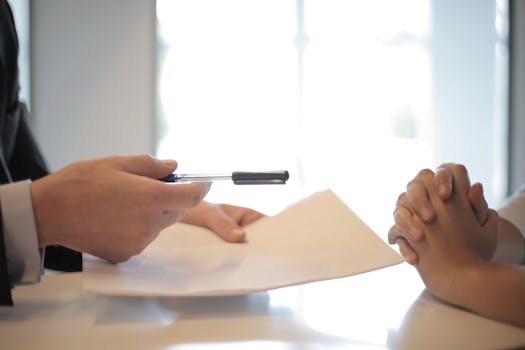
Paper work is also an important step. You should ensure that you read carefully and confirm that all terms are correct before signing.
Once signed, the keys are yours , welcome home.

Final thoughts
Buying your first home is more than a financial decision, it’s a life-changing milestone.
By understanding your budget, securing the right financing, working with a skilled agent, and carefully inspecting your dream home, you can turn the process from overwhelming to exciting.
Remember: Preparation is your strongest tool as a first-time buyer.
Download my Free First-Time Home Buyer Checklist to keep these tips handy and make your home-buying journey smoother from start to finish.
You can also read: Smart Upgrades that increase the value of your home instantly.


Leave a Comment