
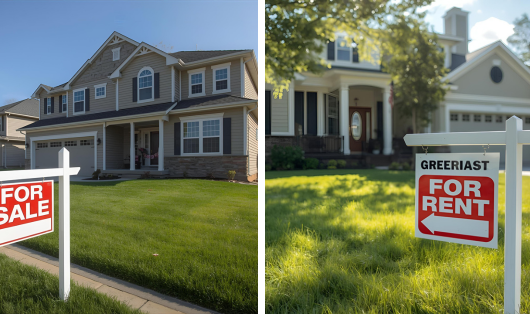
For you to land here, there are probably a number things running through your mind. You may be asking yourself: Do I buy or just continue renting? Maybe you want to buy but are unsure whether it’s the right choice. We will discuss this buying vs renting situation and see what best to do.
You might perhaps be simply curious and want to plan for the future. One of the biggest financial decision one can ever make is choosing whether to buy or rent a home.
Both options of buying vs. renting have their special benefits and drawbacks. The “right” choice frequently depends on your long-term goals, financial situation, lifestyle and many other factors which we will break down from below.
Factors to consider In buying vs. renting a home
Long term goals
Ask yourself: What are my long-term goals? Do you want to buy a home to live in permanently, or are you buying as an investment? Want about location, are you planning on living in the same location for the rest of your life or do you see yourself moving around?
Determine what your long-term goals are using these questions. They are among the many other things that should be in your mind when determining buying vs. renting.
Your financial situation
Finances play a huge role. Your financial situation will help you decide on whether you are better off renting or buying.
According to Cytonn, some people buy homes when they would financially be better off renting. While on the other hand, some rent because of flexibility it offers while they would gain so much net returns if they bought a home.
It usually takes a significant upfront investment to buy a house. These include: the down payment, closing costs, taxes, and continuous maintenance costs among other costs.
Ensure you have done your research and looked at your finances, career plans, family size, credit score and determine whether you a in a position to buy or if renting makes sense.
Your flexibility
Flexibility also determines the buying vs. renting situation. If you are planning on moving around then renting might be a better option than buying.
Buying a home means you get to live all your life in one place. The best decision will depend on your flexibility and plans for the future.
Lifestyle
Your lifestyle also matters. If you enjoy a luxurious lifestyle, you’ll need to consider whether buying fits your budget. Frequent movers often prefer renting, while others are comfortable buying even if they relocate occasionally.
Consider whether you’re prepared to establish roots in a specific place or whether you prefer the freedom to relocate as needed.
Tax benefits
In most cases, buying offers more tax benefits that renting. Therefore, you can determine the benefits you get from both and analyze other factors to see which one is better for you. Consider what tax deductions or reliefs you may qualify for and weigh them against other factors.
Job security
When planning to rent or even buy, your job security matters. Especially for buyers planning to take a mortgage. You’ll need steady income to keep up with repayments. Even for renters, job stability affects whether you can comfortably cover rent long-term.
Market conditions
Market conditions can also help you determine whether to buy or rent a home. Sometimes the housing market favors buyers, while other times renting is more cost-effective. Study current market trends before making a decision.
BUYING VS. RENTING: Which is which?
It can be overwhelming to assess these two options of buying vs. renting when you’re at a crossroads. To help you make an informed choice, let’s dissect it by discussing the advantages and disadvantages of both cases.
BUYING A HOME
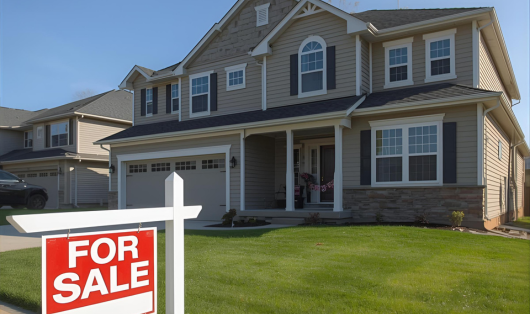
Advantages of buying
Build Equity and wealth
The difference between your mortgage balance and the current value of your home is known as equity.
You can accumulate substantial wealth over time as your home’s value increases and your mortgage is paid off.
Some studies show that buying can start bringing profit after 5 years especially in places where rent increases each year.
It also creates wealth since the price of properties appreciate with time and therefore buying will increase the value of the property after some years.
Control
As a home owner, you control all the things you can do in your house You are free to remodel, furnish, and customize your home to fit your tastes and way of life. You can even keep as many pets you want.
Read: 20 living room and bedroom color palettes that help you improve your home to learn about different paint color you can choose to make your home more aesthetic.
Home owners can also upgrade their properties to increase its value when they want to resale.
Potential tax benefits
Buying a home has more tax benefits and reliefs. In most countries, the government offers tax incentives for buying a home which might offer some financial relief to buyers.
For some buyers, tax deductions for property taxes, mortgage interest, and other costs may be available to them. You might therefore receive potential tax benefits depending on your personal financial situation.
Pro Tip: According to Kirk Reagan’s study, it takes more than six years for buying to financially break even with renting, assuming a 4% annual increase in property value and reinvesting the rental savings at an 8% yield.
Disadvantages of buying
High Upfront costs (huge financial investment)
Buying has high upfront costs to pay like a large down payment compared to renting. It also requires a huge financial investment at the beginning and throughout.
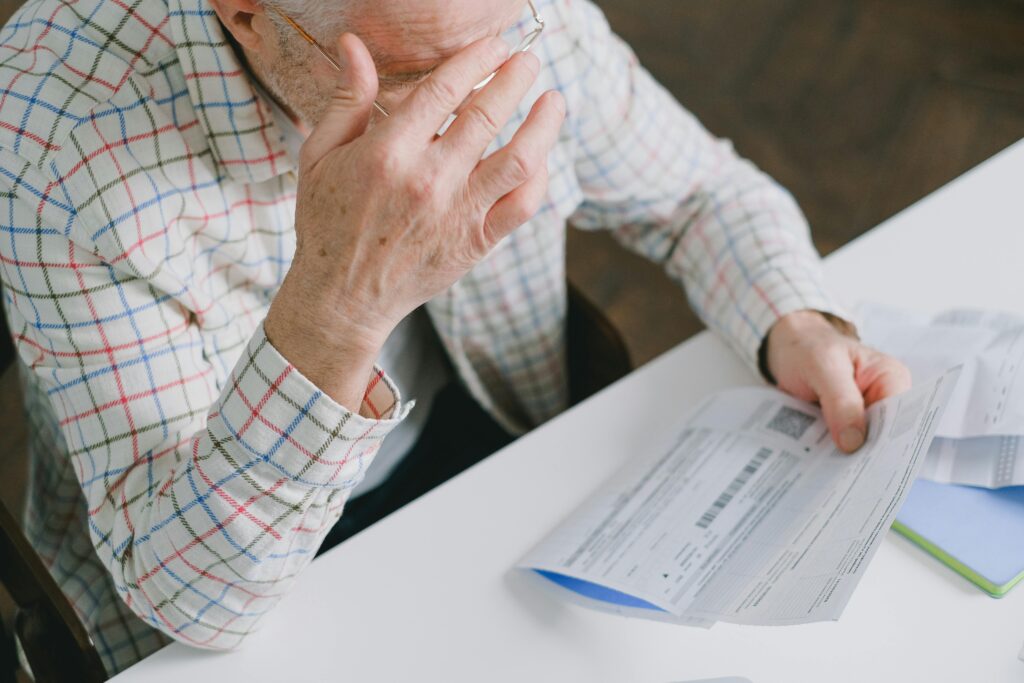
Owning a home also includes some one-time transaction costs, closing costs, recurring maintenance costs and other costs which might be so expensive.
Less flexibility
Buying is less flexible in that you are tied to the home that you bought compared to renting where you can move freely to different places. Once you buy, moving is not as easy as when you rent.
Responsibility
All the activities that take place is the responsibility of the buyer including the repairs, taxes and all property expenses. Buying therefore requires great responsibility from the owner.
Long term financial commitment
It requires a long-term financial commitment especially in cases where you are paying a mortgage. Some mortgages may go as long as 30 years.
Therefore, buying requires a long-term commitment. Sometimes however, it may only take a short-term commitment in situations where the mortgage payment is short like a few years.
Mortgage repayments may sometimes change due to interest rates caused by inflation and this can cause you to lose your home if you don’t keep up with the mortgage repayments.
Property Taxes
As much as there are a few taxes or reliefs, buying still requires more taxes and therefore financial burdens. You are required to pay property taxes for your house every year.
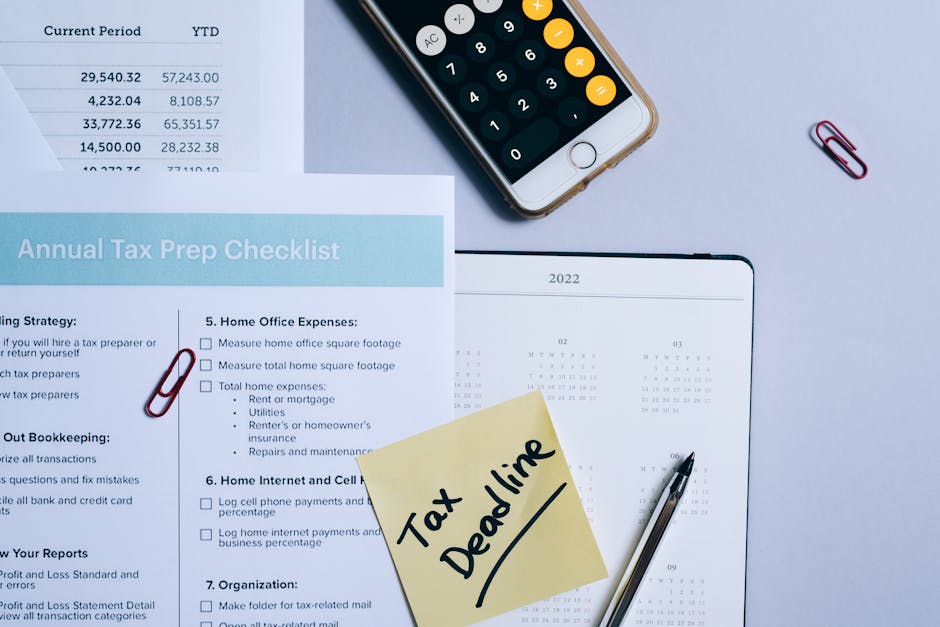
The value of you house may also fall sometimes leading to a negative equity.
RENTING A HOME
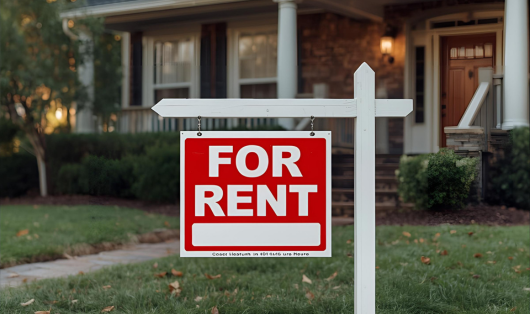
Renting is the act of paying a landlord for the use of a residential property. The monthly rental fee is the main expense of renting a house. The application fee, security deposit, and perhaps insurance are additional expenses.
Advantages of Renting
Flexibility
Renting is considered a temporary home. It’s main advantage is the flexibility of movement and negotiable lease terms. Lease terms often ranges from a few months to a few years. It therefore makes sense for people who are uncertain about their future.
With renting, one is free to move to different places depending on their specific needs. This is advantageous for people who often move a lot.
Short term savings
Renting saves you money in the short term since it doesn’t require so much upfront costs in the beginning or throughout compared to buying. You can also save money for your future home through renting.
Fewer maintenance and responsibilities
Most responsibilities of the property lie with the owner and not the renter. Most renters are exempt from property taxes, major repairs, and maintenance, in contrast to home buyers.
Less Expenses
Renting requires less costs and expenses compared to buying. Most people renting will not pay property taxes, down payments or even legal fees that are associated with buying.
With renting, you can choose which affordable location you want to live in that is within your budget.
Disadvantages of Renting
Lack of control
Renters have no control of the houses that they are living in. You can’t make major changes, and restrictions may include pets or renovations. You may also have to move if the landlord sells or doesn’t renew your lease.
No equity of building
Renting has no equity over time. The rent you pay goes to the landlord. Therefore, renters have nothing tangible to show for years of rental payments.
Rent Increases
At the end of your lease or contract, the landlord might decide to increase the rent thus the costs may be inconsistent and even higher than buying sometimes.
Major factors to keep in mind In Buying vs. renting
Mortgage rates and home appreciation rates are two of the most important factors when deciding between renting and buying. They can significantly influence which option is more cost-effective for you.
Conclusion
Ultimately, the choice you make will be determined by your circumstances, your finances and your long-term plans.
As seen in this discussion, renting saves more money in the short term and requires less responsibility although it does not build equity and has less control.
Renting is also more flexible and can give you the chance to move whenever you like. If you plan on moving a lot and have less income then renting might be the best option.
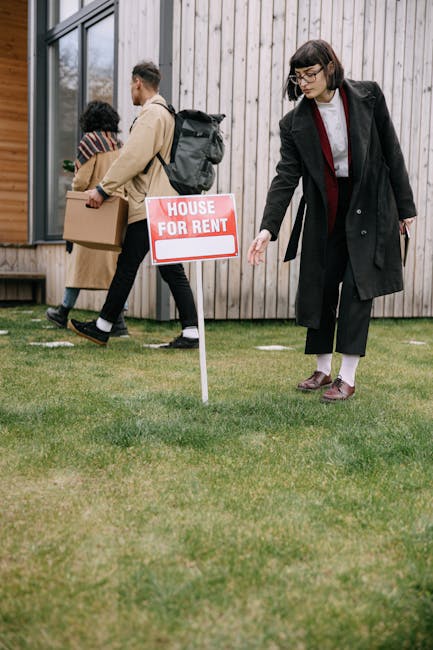
Buying on the other hand has more control, builds equity and has tax benefits while on the other hand, it is less flexible, requires high upfront costs and other expenses.
If you are ready to settle and want to invest, buying might be a better option for you. Seek further advice from a mortgage specialist if you want to buy to make you come to a conclusion.
Comment on which method you think is the best and why.

Leave a Comment